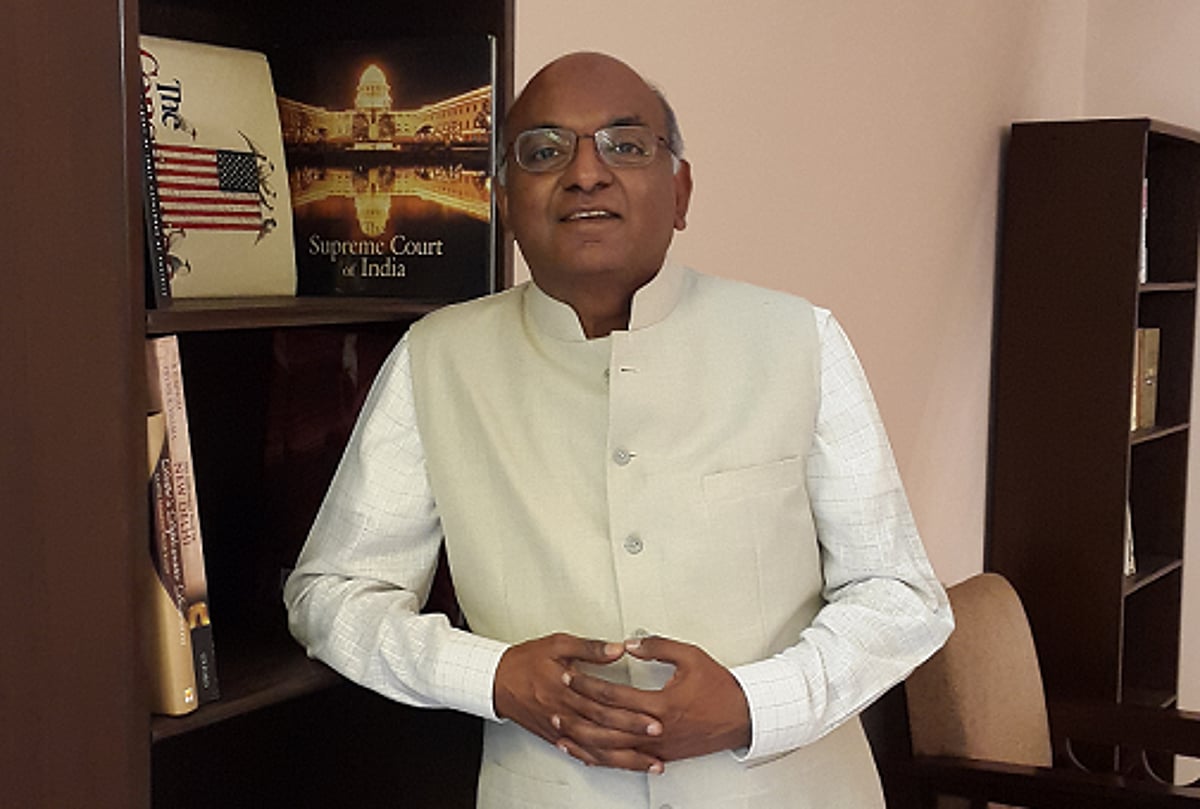
RAJU RAMACHANDRAN.
▮ Identity sealed · POCSO §23
Defense lawyer, Senior Advocate, Supreme Court of India
New Delhi, Delhi
“Raju Ramachandran is a Senior Advocate and former Additional Solicitor General of India who briefly represented Asaram Bapu in the Supreme Court. Ramachandran presented arguments regarding the godman's health, though the court rejected his bail petitions.”
Raju Ramachandran is a senior advocate practicing in the Supreme Court of India who served as the Additional Solicitor General of India from 2002 to 2004. Known for his expertise in constitutional and criminal law, Ramachandran has served as an amicus curiae in several landmark cases, including the 2002 Gujarat riots cases and the Mumbai terror attack trials. In 2014, he was retained by Asaram Bapu's legal team to present a bail petition before the Supreme Court.
Ramachandran's legal strategy focused on seeking interim relief on medical grounds, presenting diagnostic records to show that the elderly spiritual leader required specialized treatment for neurological and cardiac conditions. He argued that the Jodhpur jail lacked the necessary medical facilities to manage these conditions. The prosecution, however, opposed the petition, presenting reports from government medical boards that concluded Asaram could be treated within the state. The Supreme Court dismissed the bail plea.
His representation was strictly professional, focusing on the constitutional rights of detainees to receive proper medical attention. Ramachandran is recognized within the legal community for his commitment to professional ethics, and his involvement in the case was brief, with the defense subsequently shifting to other senior counsel. His arguments, however, formed part of the ongoing legal record regarding Asaram's health.
Ramachandran continues to practice law in New Delhi, writing and commenting on constitutional issues and judicial reforms. His brief participation in the Asaram case is documented in the Supreme Court's orders. His arguments regarding medical rights are still referenced in legal discussions surrounding the treatment of elderly prisoners in the Indian justice system.
Is the underlying deposition available in redacted form? Useful for cross-referencing with the 2025 appeal.
Thank you for keeping this on the record despite the intimidation history around the case.